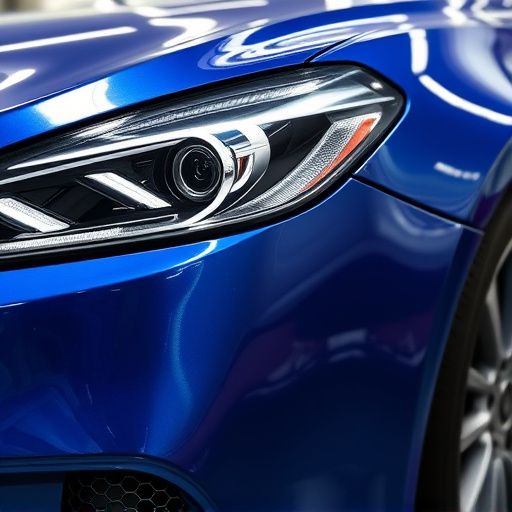


Weather conditions heavily influence bumper scratch repair needs. Sunlight, cold temps, humidity accelerate damage; prompt action crucial. Professional paintless dent repair restores bodywork without extensive painting. Regular maintenance, cleaning prevent further environmental wear, extending bumper lifespan.
In the realm of automotive aesthetics, bumper scratches are a common concern. But did you know that weather plays a significant role in their development and repair? This article explores the intricate relationship between weather conditions and bumper scratches, offering insights into how different climates necessitate specific repair strategies. From understanding the impact of elements like UV rays and moisture to implementing effective repair techniques, we’ll guide you through navigating this challenge, ensuring your vehicle’s bumper looks as good as new.
- Understanding Weather's Impact on Bumper Scratches
- Different Weather Conditions and Repair Requirements
- Effective Strategies for Bumper Scratch Repair
Understanding Weather's Impact on Bumper Scratches

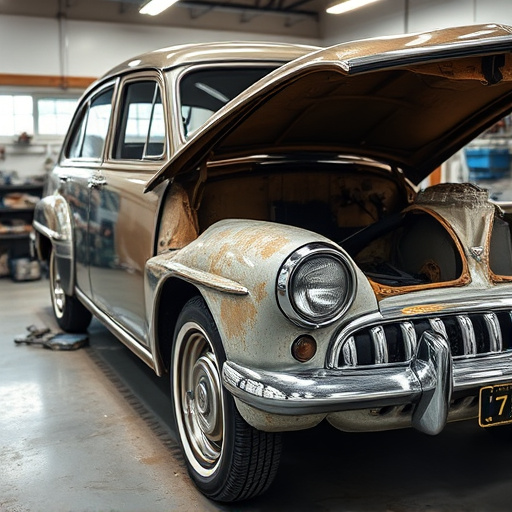
Weather plays a significant role in the condition of your vehicle’s exterior, particularly when it comes to bumper scratch repair. Different weather conditions can exacerbate scratches, making them more visible and potentially requiring more extensive repairs. For instance, harsh sunlight can cause the paint on your bumper to fade, making scratches stand out more prominently. Conversely, extreme cold temperatures may lead to the cracking of the paint surface, especially if the area has previously been damaged or scratched. Humidity and rain can also contribute to the deterioration of the paint job, as water seeps into minor cracks and expands them.
Understanding these weather-related factors is crucial when considering bumper scratch repair. While some scratches might be superficial and easily fixable with touch-up paint or a simple polish, others could indicate deeper damage that needs professional attention. Auto body experts often recommend addressing bumper scratches promptly to prevent further decay. Effective solutions like paintless dent repair can restore the car’s bodywork without the need for extensive painting, ensuring your vehicle looks as good as new, regardless of the weather.
Different Weather Conditions and Repair Requirements

Weather plays a significant role in dictating the frequency and severity of bumper scratch repairs. Different conditions demand unique approaches to vehicle maintenance. For instance, harsh winters with frequent snow and ice can lead to more extensive damage, requiring not just bumper scratch repair but also collision repair for larger dents and dings. Conversely, heavy rain and humidity can cause moisture penetration, exacerbating minor scratches into deeper damage over time, necessitating timely intervention from a skilled vehicle body repair specialist.
Understanding these weather-driven trends is crucial in prioritizing bumper scratch repair. In areas with frequent extreme weather changes, regular maintenance checks become essential to prevent small issues from escalating into costly collision repair jobs. Proactive care not only extends the life of your vehicle’s exterior but also ensures you’re prepared for unexpected incidents, keeping your ride safe and sound year-round.
Effective Strategies for Bumper Scratch Repair

When it comes to effective strategies for bumper scratch repair, understanding how weather conditions impact your vehicle is crucial. Different climates present unique challenges for auto maintenance, from intense sunlight causing paint to fade and crack to harsh winters leading to moisture-related damage. For bumper scratch repair, it’s essential to act promptly.
The first step in fixing these scratches involves assessing the depth of the damage. Shallow scratches can often be treated with polishing compounds or compound wax, which not only restores the glossy finish but also fills minor imperfections. For deeper dents or more extensive paint damage, hail damage repair techniques might be required, including sandblasting and repainting. Regular vehicle paint repair practices, such as maintaining a clean and sealed surface, can significantly extend the lifespan of your bumper, preventing further wear and tear caused by environmental factors.
In understanding how weather influences bumper scratches, it becomes clear that timely intervention through effective bumper scratch repair strategies is essential. Different weather conditions demand specific approaches, from managing moisture in humid environments to addressing UV damage in sunny regions. By adopting suitable techniques, car owners can restore their bumpers to like-new condition, enhancing aesthetics and protecting the vehicle’s value. Incorporating these insights into regular maintenance routines ensures that any potential bumper scratch repairs are addressed promptly, thereby preserving the vehicle’s overall appearance.